

Can an Arborist Save a Tree?
Bob and Ben - The Tree Men
A tree is not something you replace overnight. It shapes your property, affects safety, and often holds real environmental and financial value. When that tree starts to fail, the question is not just whether it looks unhealthy, but whether it can be saved at all.
The good news is that a professional arborist can often step in before decline becomes irreversible. With accurate diagnosis and the right treatment, many struggling trees can recover. This blog breaks down when professional intervention makes sense, what warning signs matter most, and how expert care can mean the difference between recovery and removal.
Introduction to Tree Care
Trees need proper care to thrive. Like any living thing, they can get sick, injured, or stressed. When problems arise, quick action often means the difference between saving a tree and losing it forever.
Arborists are tree care professionals with specialised training. They understand tree biology, diseases, and treatment methods. Their expertise allows them to diagnose problems and create effective treatment plans. While homeowners can manage basic maintenance, proper tree care for serious problems requires professional intervention.
The key to successful tree care is early detection. The sooner you spot a problem, the better the chances of recovery. Regular inspections and prompt action give your trees the best chance of survival.
Identifying Signs of Tree Health Trouble
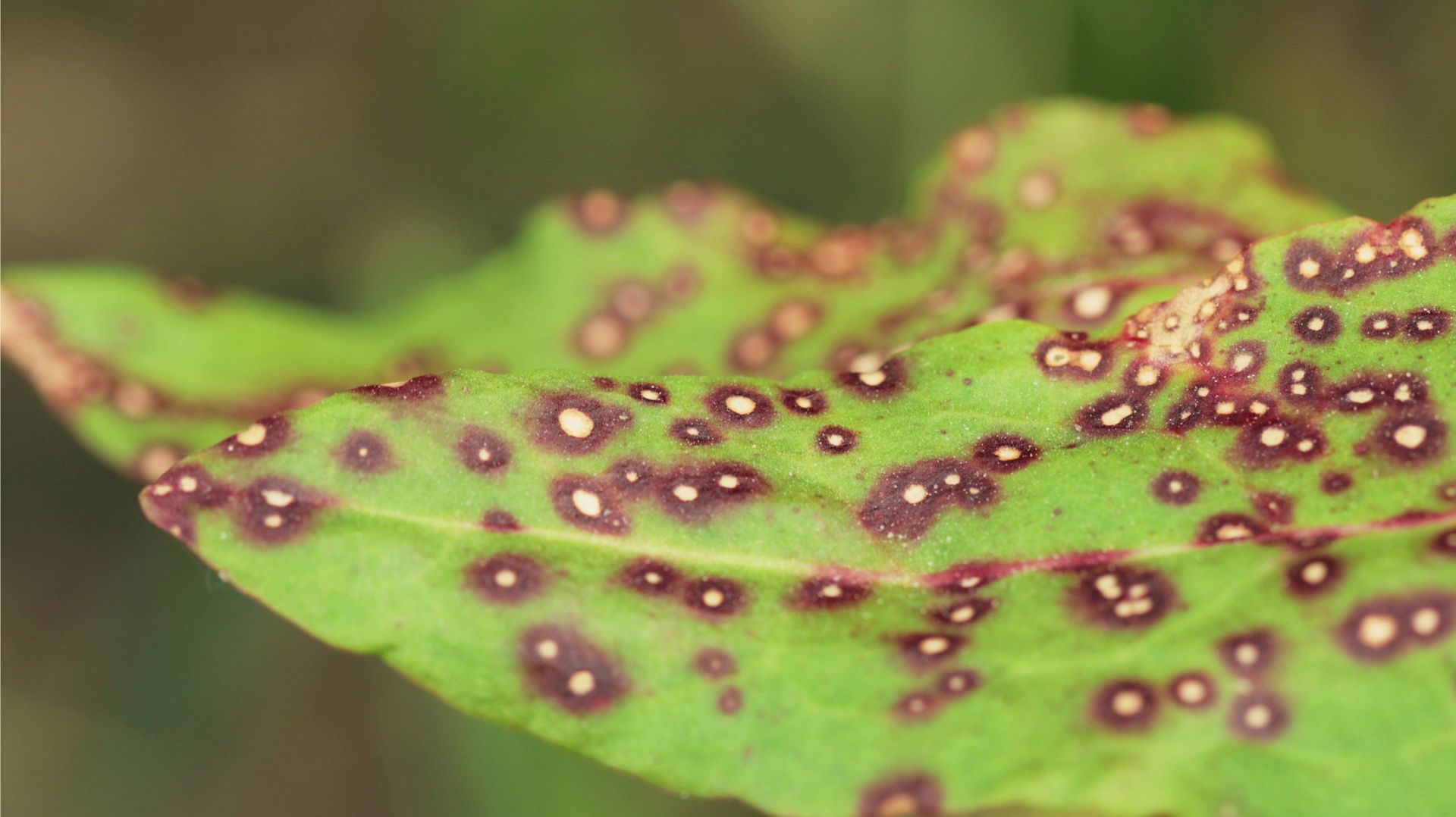
Knowing the early signs of trouble can help you catch problems before they become irreversible. Here are the warning signs that your tree needs attention:
Leaf Problems
Healthy trees have vibrant green leaves appropriate for their species. Leaf discolouration is often the first visible sign of trouble. Yellow, brown, or spotted leaves can indicate disease, pests, or nutrient deficiencies. Premature leaf drop or sparse foliage also signals distress.
Branch Issues
Dead branches are a clear warning sign. They may lack leaves during growing season or have brittle, cracking bark. Look for branches that appear hollow or have mushroom growth. These indicate internal decay.
Trunk Damage
A sturdy trunk without signs of pests or disease is crucial for tree health. Cracks, splits, or peeling bark can expose the tree to infection. Look for holes that might indicate pest infestations from wood-boring insects. Fungal growth on the trunk suggests internal rot.
Root Problems
While roots are hidden underground, above-ground signs can reveal root issues. Leaning trees, exposed roots, or soil heaving around the base indicate instability. Mushrooms growing near the base often mean root rot.
Overall Appearance
A weakened trunk, sparse canopy, or general decline in vigour suggests serious problems. Trees that fail to leaf out properly in spring or show progressive die-back need immediate attention.
Is There Any Way to Save a Dying Tree?
Yes, many dying trees can be saved with proper intervention. The success rate depends on several factors:
Extent of Damage
Trees can often recover if less than 50% of their structure is compromised. Once damage exceeds this threshold, survival becomes unlikely. The location of damage also matters. Damage to major structural branches or the main trunk is more serious than peripheral branch damage.
Type of Problem
Trees decline for various reasons including disease, pest damage, old age, environmental factors, or improper care. Different issues have different solutions.
Trees suffering from infestations like wood-boring insects or fungal pathogens can often be saved through targeted treatments or systemic injections, provided the infestation hasn't compromised the entire tree's stability.
Soil compaction, improper pH levels, or lack of nutrients can lead to tree distress that may be addressed through soil aeration and deep-root fertilisation.
Treatment Options
Modern arboriculture offers several advanced treatment methods:
Trunk or soil injections deliver fungicides or insecticides directly into the tree's vascular system to treat infestations while minimising environmental impact. This method is highly effective for systemic problems.
Air spading uses compressed air to excavate soil around roots without damaging them, addressing soil compaction and exposure issues. This technique allows arborists to improve root health without causing additional stress.
Restorative pruning focuses on the tree's health by removing broken or split wood while encouraging the tree's growth and promoting healthy growth patterns. This helps redirect the tree's energy toward recovery.
Cabling involves installing high-strength steel or synthetic cables between major tree limbs to limit movement during storms and redistribute weight. This structural support can prevent further damage while the tree heals.
Professional Assessment
A qualified arborist can assess a tree's condition and determine the best course of action. They evaluate the tree's overall health, identify specific problems, and recommend appropriate treatments. Arborists develop long-term care plans specific to tree needs, including soil management and fertilisation.
How to Know if a Tree Can Be Saved?
Several factors determine whether a tree is worth saving:
Structural Integrity
The tree must have enough healthy structure to support itself. If the main trunk is severely compromised or major scaffold branches are dead, the tree may be beyond saving.
Root System Health
Healthy roots are essential for recovery. If root rot has destroyed the majority of the root system, the tree cannot absorb water and nutrients. This makes recovery impossible.
Pest and Disease Severity
Some diseases and infestations are treatable, while others are fatal. An arborist can identify the specific problem and determine if treatment is viable.
Tree Age and Species
Younger trees generally recover better than older specimens. Some species are more resilient than others. Your arborist can advise whether your particular tree is likely to respond to treatment.
Cost vs. Value
Sometimes the cost of treatment exceeds the tree's value, or unwanted trees pose ongoing risks to property. If a tree is beyond saving, it is important to have it removed as soon as possible to prevent damage to property or injury to people and animals.
Can a Tree Survive After Being Cut Down?
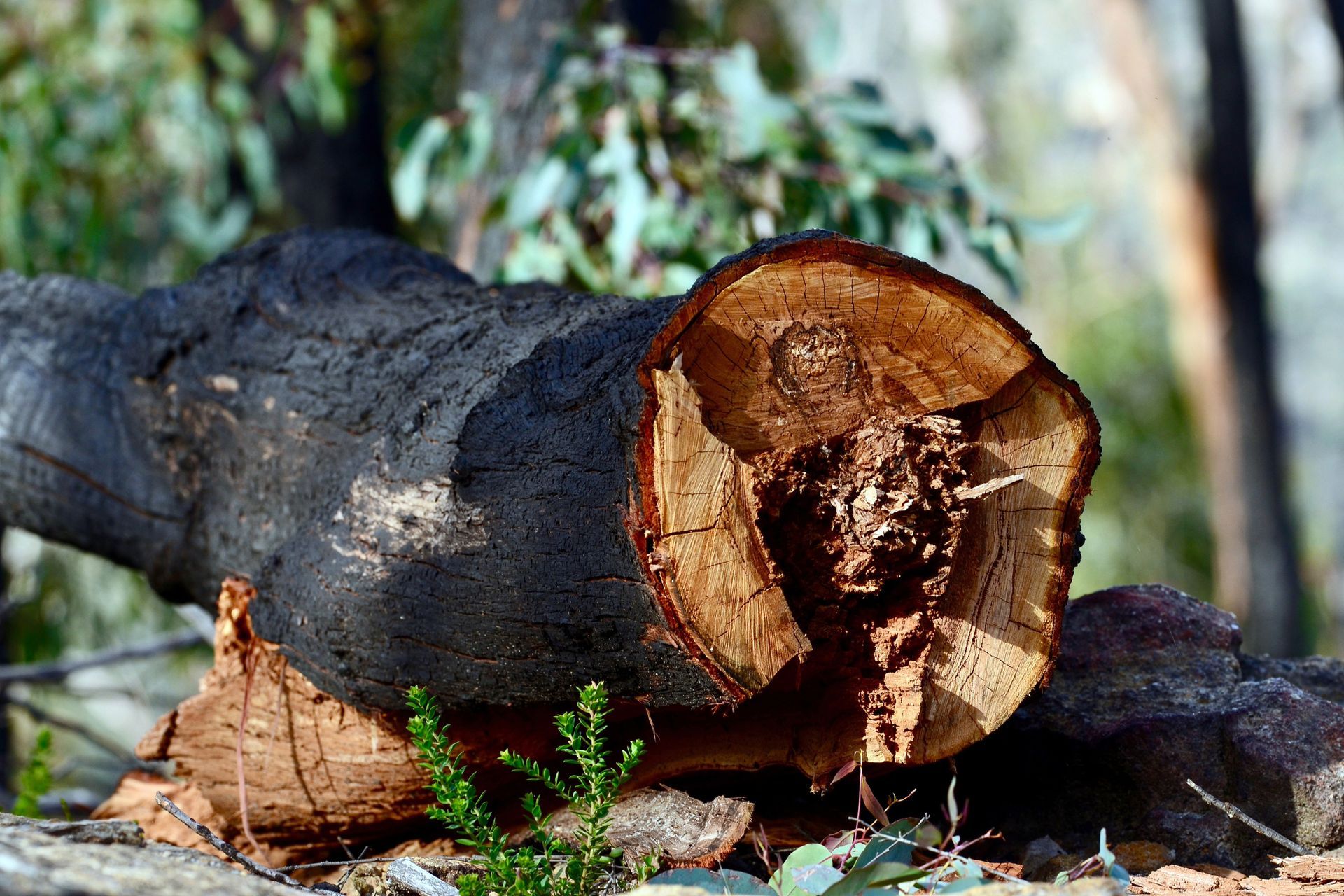
This depends on how the tree was cut:
Complete Removal
If a tree is cut down completely, including the root system, it cannot survive. The tree is effectively dead. Professional services can provide stump grinding to fully remove the tree and root system.
Trunk Removal with Stump Left
Some tree species can regenerate from a remaining stump. This process, called coppicing, produces new shoots from the stump or roots. However, not all species can do this. Eucalyptus and some other Australian natives are particularly good at regenerating.
Heavy Pruning
Trees can survive severe pruning if done correctly. The tree must retain enough foliage to photosynthesise and enough structural branches to maintain stability. Improper pruning, especially heavy cutting, can kill a tree or leave it vulnerable to disease.
Professional Guidance
Before cutting a tree, consult with an arborist. They can advise whether the tree will recover and what cutting methods are appropriate. In many areas, cutting down trees requires permits, especially for protected species.
Can You Save a Damaged Tree?
Damaged trees often can be saved, depending on the injury type and severity:
Storm Damage
Broken branches from storms can be pruned away safely. The tree can usually recover if the main trunk remains intact. Restorative pruning focuses on the tree's health by removing broken or split wood while encouraging new growth.
Physical Impact
Vehicle strikes, construction damage, or other impacts may wound the bark or damage branches. If the damage doesn't encircle the trunk completely, the tree can often heal. Proper wound care and monitoring are essential.
Lightning Strikes
Lightning can kill trees instantly or cause gradual decline. An arborist can assess the extent of internal damage and determine if recovery is possible.
Construction Damage
Root damage from excavation or soil compaction from heavy machinery can seriously harm trees. Air spading uses compressed air to excavate soil around roots without damaging them, addressing soil compaction and exposure issues.
Emergency Situations
Some tree problems require immediate attention:
Immediate Dangers & Emergency Tree Removal
Trees leaning toward structures, hanging branches over walkways, or showing signs of imminent failure pose safety risks. In these situations, emergency tree removal services may be required, and prior approval is not always needed if the tree presents an imminent risk to life or property, although proper documentation is still necessary.
Storm Aftermath
After severe weather, inspect trees for damage. Storm aftermath can leave dangerous hanging limbs on trees. Occasionally large trees require immediate professional attention after severe weather damage. Fallen trees, split trunks, or uprooted trees all need expert assessment.
When to Call a Professional Arborist
Contact expert and knowledgeable arborists immediately if you notice dangerous trees or any of the following signs:
- Large branches hanging or broken, including a dying tree branch
- Trees leaning at new angles
- Exposed root systems
- Large cracks in the trunk
- Sudden wilting of the entire canopy
Preventing Issues That Lead to a Dead Tree
Prevention is always better than treatment. Regular monitoring helps maintain the health of your trees and identify issues before they become serious:
Regular Inspections
Walk around your trees seasonally. Look for changes in appearance, new damage, or signs of pests. Early detection makes treatment easier and more successful.
Proper Watering
Small trees and young saplings need regular watering to establish roots. Mature trees also need supplemental water during drought. Deep, infrequent watering encourages deep root growth.
Mulching
Apply mulch around the tree base to retain moisture and regulate soil temperature. Keep mulch away from the trunk to prevent rot.
Avoid Damage
Protect trees from lawnmower damage, weed whacker cuts, and soil compaction. These injuries create entry points for disease.
Proper Pruning
Use proper pruning techniques at the right time. Poor pruning techniques can weaken trees or spread disease.
Proper Tree Maintenance
Ongoing maintenance keeps trees healthy:
Soil Care
Healthy soil produces healthy trees and supports good health throughout the tree's life. Test soil pH and nutrient levels periodically. Amend soil as needed to provide optimal growing conditions. Soil compaction, improper pH levels, or lack of nutrients can lead to tree distress that may be addressed through soil aeration and deep-root fertilisation.
Fertilisation
Most established trees don't need regular fertilisation. However, trees showing nutrient deficiency symptoms may benefit from targeted fertilisation. Arborists develop long-term care plans specific to tree needs, including soil management and fertilisation.
Pest Monitoring
Watch for signs of pest activity, disease, insects, and other threats. Early treatment and the ability to manage pests effectively prevent minor infestations from becoming serious problems.
Disease Prevention
Remove dead wood promptly to prevent disease spread to other trees on your property. Sterilise pruning tools between cuts. Avoid wounding trees unnecessarily.
Benefits of Professional Help
Certified arborists offer advantages beyond basic tree care:
Expertise & Training
The difference between a tree surgeon and an arborist comes down to knowledge and trust, with arborists having deeper knowledge and formal backing. The title 'tree surgeon' does not necessarily indicate formal qualifications, while arborists usually hold nationally recognised qualifications in arboriculture.
Tree surgeons typically focus on the physical work of tree lopping and cutting down trees. While they may be skilled at the physical aspects, they may focus primarily on cutting rather than comprehensive tree health assessment.
Legal Compliance
Local councils in NSW have rules protecting significant trees on private property, often requiring permits for removal or heavy pruning. Hiring a qualified tree removal company with certified arborists helps guarantee compliance with local laws and helps preserve protected trees.
Understanding tree removal requirements is essential. Failing to obtain the necessary permit can lead to severe penalties, including fines up to $110,000. Hiring a professional arborist is often a legal necessity for expert tree removal in areas with strict tree preservation laws.
Only professional arborists have the recognised training and authority to prepare reports and liaise with councils for tree work, including assessments for land clearance projects. An arborist can prepare professional reports required by local councils when seeking permission to prune or remove protected trees.
Safety & Insurance
Certified arborists provide honest and reliable service, trained in safety practices and carrying insurance that provides peace of mind to homeowners. Tree work involves significant risks. Professionals have the appropriate tools and training to complete each job safely.
Comprehensive Care
Professional arborist services don't just treat symptoms. They identify underlying causes and develop comprehensive treatment plans. This holistic approach produces better long-term results.
The Value of a Certified Arborist
Yes, arborists can save many trees that appear to be dying. Success depends on early intervention, accurate diagnosis, and appropriate treatment. While not every tree can be saved, professional arborists have the knowledge, tools, and experience to manage everything from corrective tree trimming to complex professional tree removal jobs when preservation is no longer possible.
A healthy tree will have green leaves and a sturdy trunk without visible signs of a dying tree, pests, or disease. When you notice changes in leaf colour, growth patterns, or structural stability, do not wait.
Contact a professional arborist for an assessment. Their expertise could be the difference between losing a valuable tree and enjoying its benefits for years to come.
Tree care is an investment in both your property and the surrounding environment, preserving trees that provide fresh air and ecological benefits. Professional tree services go beyond basic tree work, including accurate diagnosis, targeted treatment, regulatory compliance, and long-term care planning.
If you are looking for experienced, local support, the team at Bob & Ben offer arborist services backed by practical expertise and a strong understanding of tree health, safety, and compliance requirements. When your trees need attention, trust the professionals who understand them best.
Over 25 years ago, Bob and Ben planted the seeds of what would become one of the most popular and trusted tree service businesses in the Sutherland Shire.
Get your FREE tree lopping quote today!
Let Bob and Ben The Tree Men get to the root of all your tree problems. Contact us today to receive your personalised quote.