


How Tree Roots Can Damage Your Home: Prevention Tips
Bob and Ben - The Tree Men
Is your home surrounded by beautiful, towering trees? While they offer shade, beauty, and a habitat for wildlife, these majestic plants can also pose a hidden threat to your property.
Tree roots, though often overlooked, have the potential to cause significant damage to your home's foundation, plumbing, and landscape. They are the foundational component of a tree's survival, functioning as its anchor, lifeline, and food storage system. But that same strength and reach is what makes them a potential threat to built structures.
In this blog, we'll discover how tree roots can impact your property and provide essential prevention tips to safeguard your home. But before we dive in, let's find out first the signs that tree roots are damaging your home.
What to Know About Root Systems
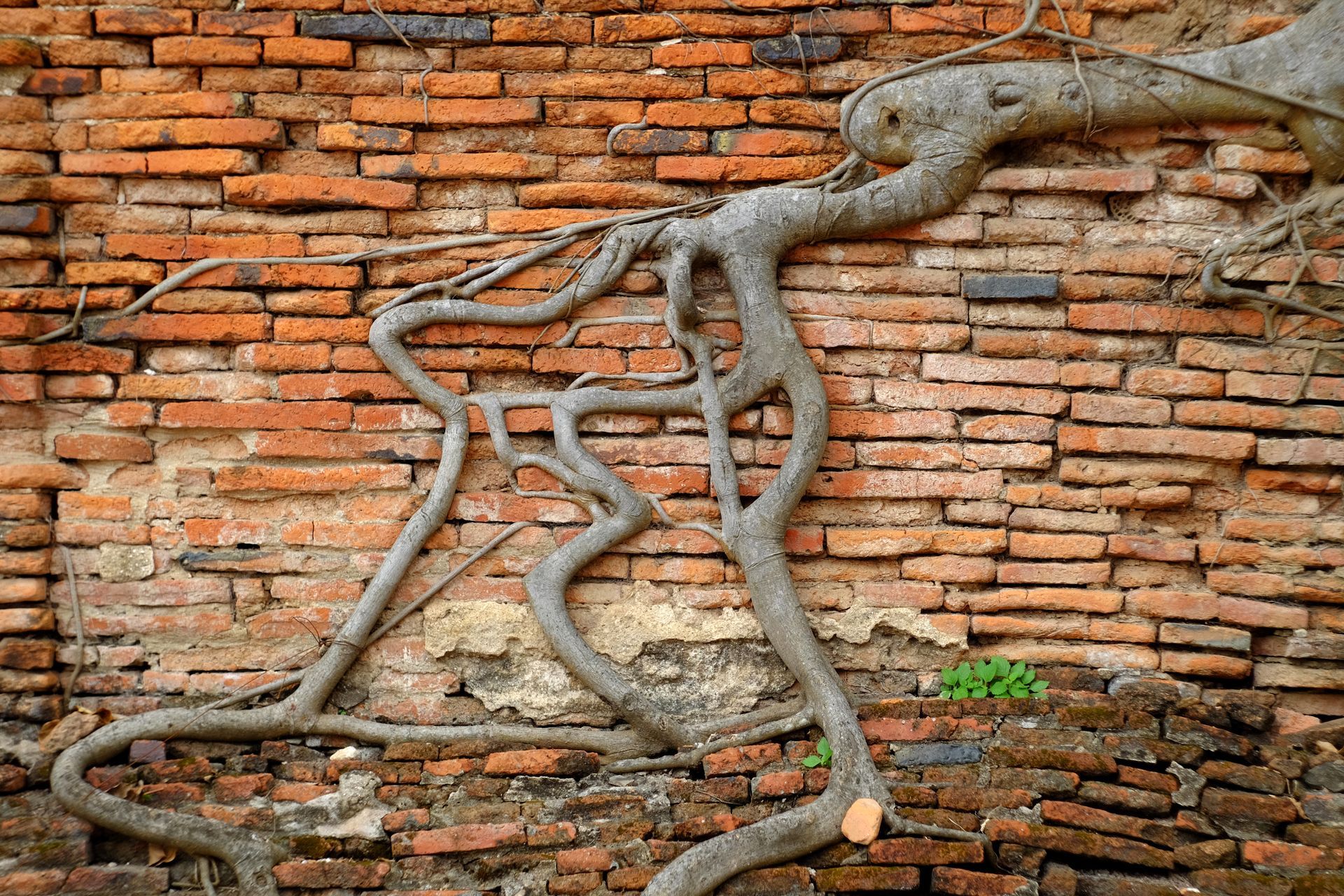
Tree root systems are far more complex than most people realise. Rather than a single deep tap root, most trees develop a broad, spreading network made up of large roots for anchoring, secondary roots for structural support, and fine feeder roots that absorb water and nutrients from the soil. The branches above ground reflect the root activity below, as a tree grows taller and its branches spread wider, the root system beneath expands in equal measure. Understanding how root systems work is the first step toward protecting your home from the damage they can cause.
Signs Tree Roots Are Damaging Your Home
Here are some common signs that tree root systems may be damaging your home:
- Cracks in the walls or foundation
- Decreased water pressure
- Foul odours and strange noises
- Clogged or slow drains
- Sinkholes in the yard near the foundation
- Mould or mildew growth inside the home
- Visible tree roots near the foundation or in plumbing lines
- Buckling concrete surfaces
Common Types of Damage Caused by Tree Roots
Tree roots can cause various types of damage, especially when they grow near structures or underground utilities. Some common types of damage caused by tree roots include:
Foundation Damage
One of the most significant concerns is when tree roots grow near or under house foundations. As roots grow, they can exert pressure on the structure, causing it to crack or shift.
Roots can also cause damage indirectly by extracting water from reactive clay soils, which causes the soil to shrink and leads to structural cracks even without direct root contact. This can lead to structural instability and compromise the integrity of the entire building.
It is also worth noting that large roots can lift and crack driveways, patios, and sidewalks, creating uneven surfaces and trip hazards well beyond the footprint of the home itself.
Plumbing Damage
Tree root systems are attracted to sources of moisture, including water and sewer lines. Roots rarely break intact pipes outright. Instead, smaller roots slip through existing cracks or loose joints in search of water, with smaller roots gradually widening the damage from within as they continue to grow.
Roots can also infiltrate stormwater or sewer pipes if they are already leaking. This can cause blockages, plumbing failures, and costly repairs. If you suspect root intrusion in your pipes, a plumber can use CCTV inspections to accurately locate the problem before any excavation is required.
Damage to Underground Utilities
Aside from plumbing, tree roots can also damage other underground utilities such as gas lines, electrical conduits, and drainage systems. This poses safety hazards and can lead to service disruptions and expensive repairs.
Septic System Damage
In rural areas where homes rely on septic tank systems for wastewater treatment, tree roots can infiltrate and damage the septic tank and drainage field. If left untreated, this can lead to odours and environmental contamination.
Landscaping Damage
Tree roots can interfere with the installation of landscaping features around the home and garden, such as retaining walls, patios, and flower beds. This can result in displacement, cracking, or damage to these structures, requiring repairs or reconstruction. Other plants growing nearby can also suffer as invasive roots compete for water and nutrients in the surrounding soil, while other trees in the vicinity may be similarly affected if root systems from multiple trees begin to overlap and conflict underground.
Surface roots that emerge above ground can also make routine lawn maintenance significantly more difficult, damaging mowing equipment and creating uneven terrain. While these surface roots are less structurally threatening than deep root intrusion, they are a visible sign that the tree's root system is actively seeking oxygen and nutrients close to the surface, which is a natural behaviour, as roots will die without access to oxygen and tend to grow shallow for this reason.
Factors Contributing to Tree Root Damage
Here are some factors that can contribute to tree root damage:
Tree species and Root Depth
Some tree species have more invasive roots that are prone to causing damage to underground utilities, foundations, and pavement. It is a common misconception that trees are anchored by a single large tap root. In reality, most trees are supported by a broad root plate that spreads outward. Some species are more passive than others, meaning their roots are far less likely to seek out and damage nearby structures, making species selection an important consideration when planting near buildings.
Soil Conditions
Soil compaction restricts the growth of tree roots and can lead to roots spreading horizontally near the surface. In urban settings particularly, roots often face compacted soils and limited space, forcing them to adapt and penetrate minute fissures in concrete to reach water and air.
Soil compaction also reduces the availability of oxygen, water, and nutrients to the root system, which can weaken the tree over time. Any significant soil disturbance near an established tree, such as excavation, construction, or even heavy foot traffic, can also damage the shallow root network and compound these problems further. Not only can this increase the likelihood of damage to nearby structures but it can also result in a less stable foundation for the trees themselves.
Proximity of the Tree
When trees are planted too close to a property, their roots may compete with underground utilities and pipes for space. Tree roots spread outward in search of water and nutrients, and can extend as much as six to twelve times the distance of the tree's canopy — far beyond what most homeowners expect. The taller the tree grows, the wider its roots will spread, which means a tree that seems a safe distance from your home today may not remain so as it matures.
How to Prevent Damage Caused by Tree Roots
Preventing home damage caused by tree roots involves several proactive measures, from careful selection of trees to tree stump removal:
Careful Tree Selection
Choose tree species with non-invasive roots to promote appropriate growth habits for your property. When planting new trees, it is worth researching how large the tree will grow and how invasive its root system is likely to become at full maturity. You can conduct your own research and consult with arborists or local authorities to select a species that is less likely to cause damage. Opting for species with more passive root systems is one of the most effective long-term prevention measures available.
Proper Planting
Plant trees at a safe distance from buildings, utilities, and other structures. Make sure to follow recommended guidelines for tree planting depth and root ball preparation to encourage healthy root growth away from vulnerable areas. Keep in mind that roots provide the tree with both stability and nutrients, and as the tree grows taller, the root system will spread wider to compensate. So the safe planting distance needs to account for the tree's expected mature size, not just its size at the time of planting.
Proper Watering Techniques
Consider mulching and implementing proper watering techniques to support healthy root development and minimise the risk of soil erosion around the tree base. Deep, infrequent watering or drip irrigation is particularly effective, as it encourages roots to grow deeper into the soil rather than spreading laterally toward structures and utilities.
Regular Maintenance
Conduct regular inspections of trees on your property to identify any signs of root damage, such as soil heaving, exposed roots, or fungal growth around the base of the tree. Always keep your tree at a manageable size and remove tree stumps from your yard to prevent regrowth. As you know, when a tree grows, its roots spread wider. This can exert more pressure on the root system, potentially leading to damage to nearby structures or underground utilities. Professional stump grinding services can guarantee complete removal and prevent future root issues.
Install Root Barriers
Install physical root barriers to redirect root growth away from vulnerable areas like foundations, driveways, and sidewalks. These barriers are typically constructed from high-density polyethylene sheets buried vertically in the soil, designed to redirect roots downward and away from foundations or pipes rather than simply blocking them. This approach can promote new root growth in desired directions, minimising the need for extensive root pruning and potential damage to infrastructure.
Maintain Soil Moisture
Properly water trees to discourage roots from seeking moisture from underground utilities or building foundations. By providing adequate water to the tree's root zone, you can help prevent roots from going into areas where they can cause damage. However, it's crucial to avoid overwatering, as this can lead to soil erosion and and destabilise the tree's foundation.
Tree Root Removal
If you're dealing with tree roots that are compromising your home's foundation, removal may be a definitive solution. There are various methods available depending on the extent of the problem, and a professional can assess which approach suits your situation best. Removing tree roots is just as important as cutting down the trunk — leaving the root system in place after tree removal can allow roots to continue causing damage underground. This action halts the expansion of problematic invasive roots, which can mitigate further structural harm and safeguard your property's integrity.
The process typically begins with a thorough assessment, after which specialists will dig around the affected area to expose and address the problematic roots. Cutting surface roots can also be a quick way to minimise existing damage in the short term, and tools such as reciprocating saws, chainsaws, or hatchets are commonly used for this work. For very large or complex root systems, however, hiring professional tree root removal services is strongly advisable, as DIY methods carry significant risk of injury and incomplete removal.
Removing tree roots not only addresses the immediate threat but also prevents future damage, which guarantees the long-term stability and value of your home. In such cases where tree root removal is necessary, make sure that it is carried out by trusted tree removal specialists.
Professional Advice
Consult with an experienced arborist or landscape professional for advice on how to properly manage invasive roots. Their expertise can provide valuable insights into the specific needs of your trees and help you develop a tailored plan to effectively prevent root system damage. With their guidance, you can learn more about tree maintenance, root removal, and strategic planting to preserve the long-term health and safety of your property.
Takeaway
Tree roots are strong and flexible, but if they grow without control, they can cause big problems for your home's foundation, plumbing, and landscape. By understanding the risks and taking steps such as regular tree maintenance, strategic planting, and tree root removal, you can mitigate the potential for damage and preserve your property's integrity, as well as the health of the broader natural environment around your home.
At Bob & Ben The Tree Men, we offer complete tree care services to maintain the health and safety of your trees while protecting your property. From root pruning to tree removal, our team of skilled arborists also specialises in effectively removing tree roots that pose a threat to your home's foundation and underground utilities. Using the latest equipment, we guarantee that root removal is performed with the highest level of safety and efficiency. Contact us today to arrange a free quote.
Over 25 years ago, Bob and Ben planted the seeds of what would become one of the most popular and trusted tree service businesses in the Sutherland Shire.
Get your FREE tree lopping quote today!
Let Bob and Ben The Tree Men get to the root of all your tree problems. Contact us today to receive your personalised quote.