


Will Home Insurance Pay for Tree Removal?
Bob and Ben - The Tree Men
A storm rolls through overnight. In Australia, extreme weather conditions are one of the leading causes of tree-related home damage, and fallen trees are among the most common results. You wake up to find a large gum tree across your back fence, half of it resting on your roof. The first question most homeowners ask is not "how do I fix this?" It's "will my insurance cover it?"
The answer, frustratingly, is: it depends. And home insurance policies are not always written in plain language that makes it easy to find out.
Home insurance cover can extend to tree removal costs in some situations and refuse them entirely in others. Knowing the difference, including when tree removal costs are claimable and when they are not, before something happens is far more useful than finding out after. This guide walks through what Australian home insurance policies cover when it comes to trees, what they don't, and what you can do to protect yourself either way.
Fallen Trees: Why They're More Common Than You Think
Australia's climate and native tree species make fallen trees a year-round risk for homeowners. High winds, drought stress, disease, and soil instability all contribute to trees coming down unexpectedly. And they can cause significant damage to structures, fences, vehicles, and landscaping. Understanding how your insurance responds before it happens puts you in a much stronger position.
The Situation Determines the Coverage
Home insurance cover does not extend to tree removal as a standalone service. What it covers is damage caused by a tree falling during what policies call an "insured event." Most policies that cover damage caused by trees define an insured event as a sudden, unexpected incident that you could not reasonably have predicted or prevented. Common examples include storms, strong winds, lightning strikes, and hail.
If a healthy tree falls on your home during a storm and damages the roof, that is almost certainly a covered event — treated as accidental damage caused by an insured peril. Your insurer will generally pay for the cost of repairing the structural damage, removing the fallen tree as part of that process, and in some cases, covering temporary accommodation if your home becomes uninhabitable.
However, the cause of the fall matters enormously. If the tree was already dead, diseased, or visibly deteriorating and you had not addressed it, most insurers will treat the damage as the result of neglect rather than an unexpected event. In that case, your claim is very likely to be rejected.
The rule of thumb is straightforward: insurance responds to sudden damage from events outside your control. It does not cover problems that were preventable with reasonable maintenance.
When Is Tree Removal Covered? A Practical Breakdown
Storms, Wind, and Lightning
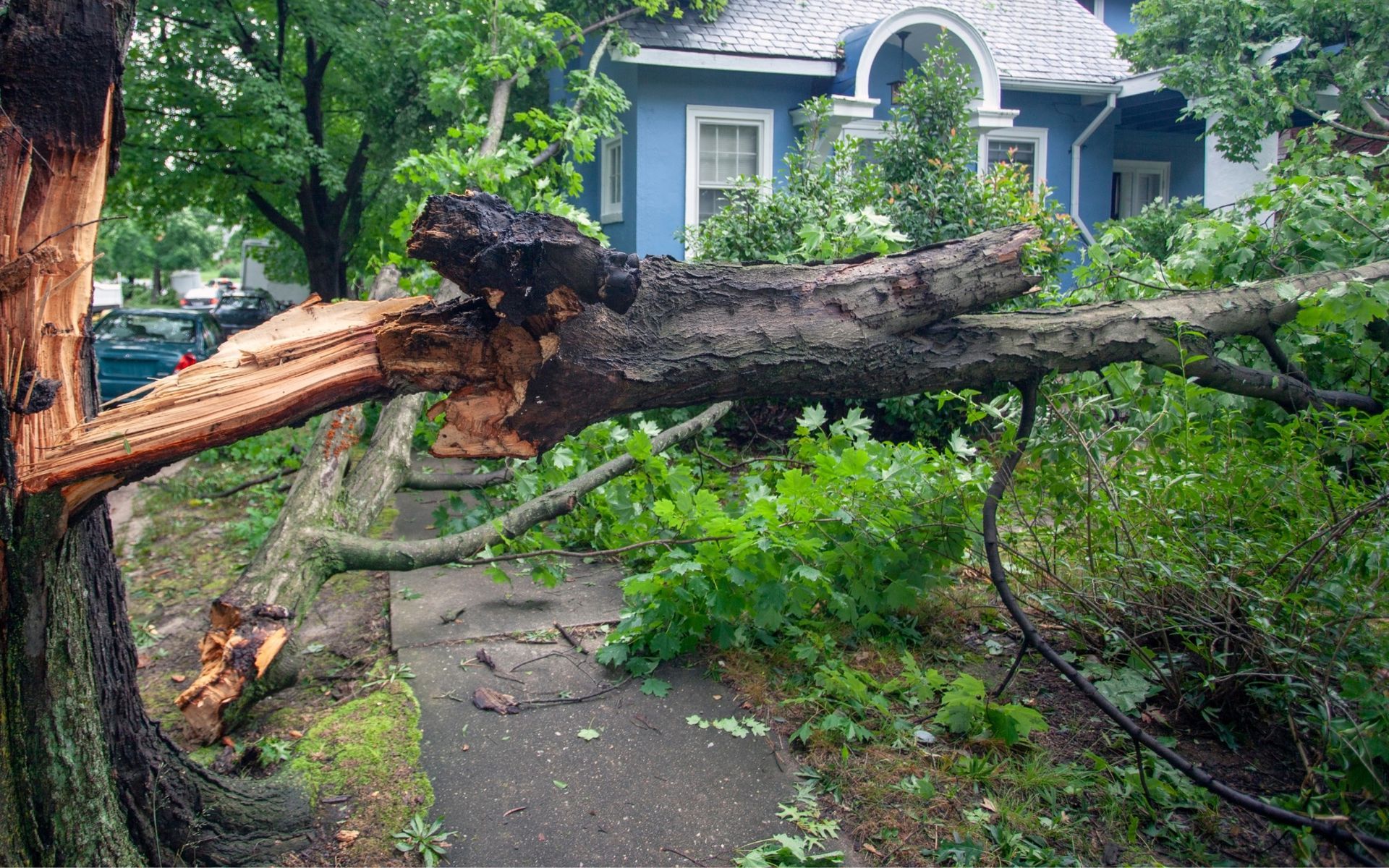
If a tree falls due to a storm, strong wind event, or lightning strike, and it causes damage to an insured structure, your home insurance cover will typically extend to cover the cost of repairs and the removal of the fallen tree. This is the most common scenario in which tree removal covered under a policy applies, and it applies to your home, garage, shed, and other fixed structures on the property.
An important detail: If fallen trees land in your yard without hitting any structure and do not block access to your home, most insurers will not cover the removal cost. The tree falling is not enough on its own. It needs to have caused damage to something insured.
Neglected or Dead Trees
Fallen trees that were already dead, rotted, or showing obvious signs of decline before they came down, your insurer may argue that the damage was foreseeable and therefore not a sudden or unexpected event. This is where claims often run into trouble.
If the tree fell due to neglect, your home insurance cover will typically not extend to the removal costs or the resulting damage. This is a firm and consistent position across most Australian policies. It is also one of the more important reasons to stay on top of tree maintenance.
Preventive Removal
This is where many homeowners are caught off guard. If you have a hazardous tree on your property and want to remove it before it causes damage, insurance will not pay for that. Preventive tree removal and other tree services are considered routine maintenance and is entirely the homeowner's responsibility. No standard home insurance policy in Australia covers proactive tree removal, whether that involves trees near power lines, fences, or your home's foundation, regardless of how sensible or necessary it might be.
The cost of tree removal for preventive purposes comes out of your own pocket, though experienced tree removal Sutherland Shire professionals can often quote far less than homeowners expect. Just be careful who you get that quote from. There are tree loppers who prey on elderly homeowners, talking up risks that don't exist to win the job. But as we'll discuss shortly, that cost is almost always far less than the cost of repairs after a tree causes damage.
When Your Neighbour's Tree Falls on Your Property
This is a surprisingly common question. If fallen trees from a neighbour's property land on your home during a storm, you generally cannot claim directly on your neighbour's insurance. In most cases, you will need to claim on your own insurance. Your insurer will typically cover the damage to your home and the insurance company may then pursue recovery from the neighbour's insurer if legal liability through negligence can be established.
If you can show that your neighbour knew their tree was dead or dangerous and failed to act, there may be grounds for a negligence claim. Some home insurance policies include legal liability cover that extends to damage caused to other people's property, and that may be relevant in these situations — but this is ultimately a legal matter, not a straightforward insurance one. And personal injury or property liability claims of this nature require proper documentation and evidence.
Building Insurance vs Contents Insurance
Whether a fallen tree is covered also depends on which type of policy you have.
Building insurance covers the physical structure of your home, including walls, the roof, fixed flooring, and other permanent fixtures, as well as outbuildings like garages and sheds. If a tree damages any of these, your building insurance policy is the one to call.
Contents insurance cover extends to your personal belongings, furniture, appliances, and other items inside the home. If a tree comes through the roof and destroys your television or furniture, contents insurance is what you'd claim against.
Many Australians hold a combined home and contents insurance policy, which covers both. If you hold only one type, it is worth checking whether your insurance coverage is adequate for the assets you actually have.
Tree Removal Costs, Stumps, and Debris: What to Expect
Even when home insurance cover applies to tree removal after a storm, there are limits to how far that coverage extends.
Stump removal is generally not included under standard cover for home insurance policies. If a tree is removed following an insured event, the insurer will typically pay to have the tree cut down and cleared away. Tree stumps left after removal are usually treated as a separate service and grinding them out falls outside the claim. This is worth knowing upfront, particularly for large trees and their stumps, which can cost several hundred dollars to remove independently.
Debris removal is also subject to policy limits. Insurers will generally cover the reasonable costs of removing debris that resulted from the insured event, but this can vary depending on your policy and provider. Some policies are more generous than others, and sub-limits often apply.
If the cost of removing the fallen tree exceeds your coverage limit, you may be required to pay the difference out of pocket. Always check the sub-limits, your sum insured, and your building sum insured in your Product Disclosure Statement (PDS) before assuming you are fully covered.
Tree Root Damage: A Frequently Misunderstood Area
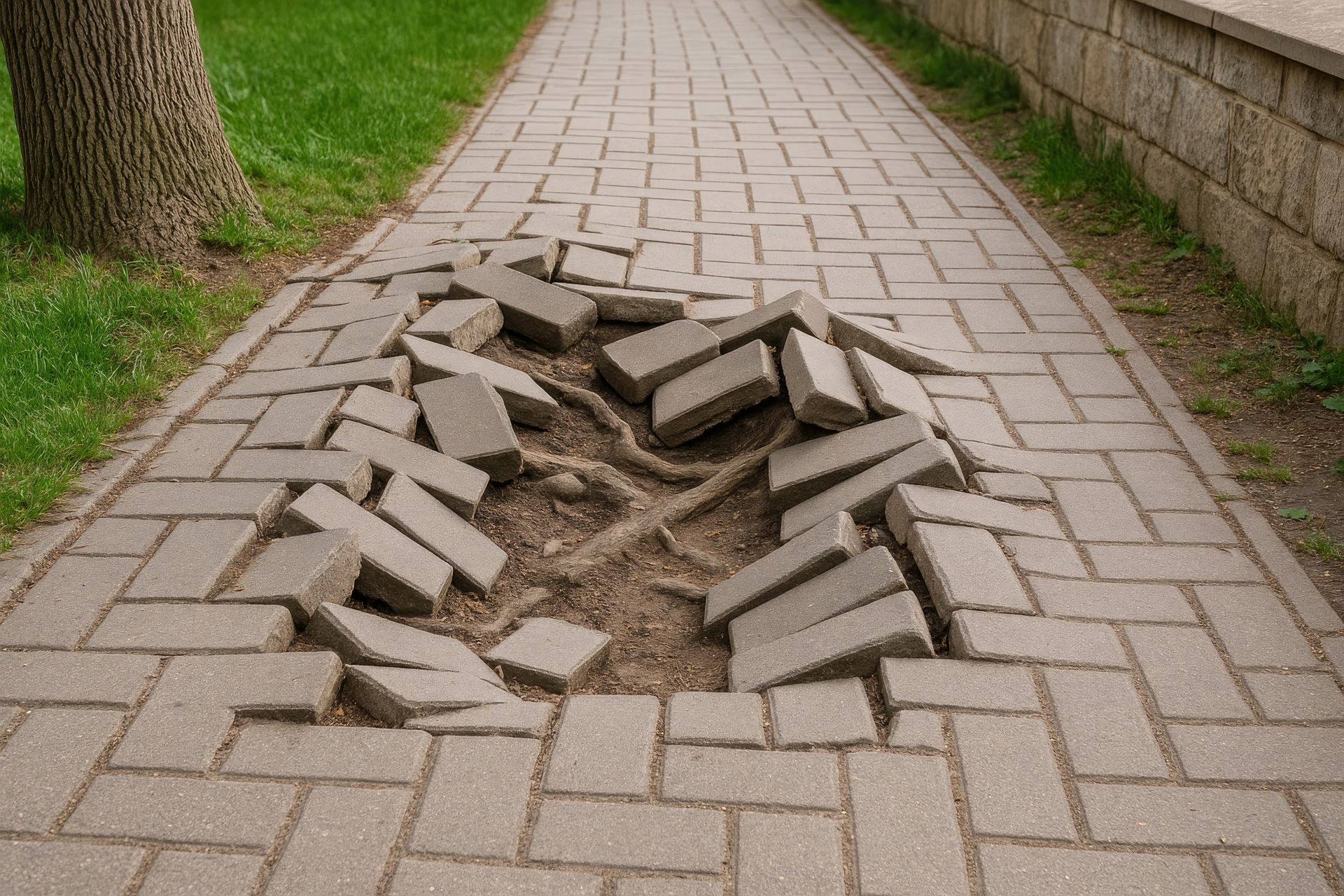
Tree roots causing damage to driveways, foundations, or underground pipes is one of the most misunderstood areas of home insurance cover in Australia. In most cases, it is not covered.
Root damage is considered gradual rather than sudden — more akin to normal wear and tear than an unexpected event — and because it develops slowly over time, it falls into the category of a maintenance issue rather than an insured event. Most Australian policies categorically exclude this type of damage. And these exclusions apply regardless of the severity of the resulting harm to your property.
The one narrow exception relates to water damage. If tree roots crack a pipe and cause liquid to escape, the resulting water damage to your home or contents may be covered under an "escape of liquid" provision. But the pipe itself, and the cost of repairing or removing the roots, will not be covered. You can end up in a situation where the insurer pays to replace your damaged flooring but not to fix the broken pipe that caused the flood. This is a frustrating but common outcome.
Temporary Accommodation
If a fallen tree damages your home to the point where it is unsafe or uninhabitable, home insurance cover will often extend to temporary accommodation costs while repairs are carried out. This is typically subject to policy limits and conditions. Insurers will generally only pay the reasonable costs of alternative accommodation, so reviewing your PDS is essential.
This coverage is tied to the insured event itself. If the damage is covered, temporary accommodation usually is as well. If the claim is rejected due to neglect or another exclusion, neither your building policy nor your contents insurance cover will extend to temporary accommodation costs either.
Making a Claim: What the Process Looks Like
If a tree falls and causes damage to your home, here is the general process to follow.
Whether you hold building-only cover or a full home and contents insurance policy, contact your insurer as soon as possible after the incident. Most insurers recommend not waiting, as delayed notification can sometimes complicate a claim. Your policy will have a claims contact number, and many insurers now offer online or app-based claims lodgement around the clock.
Document everything before any cleanup begins. This gives the insurance company clear evidence to work with when assessing your claim. Have a household member or neighbour assist in photographing the fallen tree, the damage it caused, and the surrounding area. The more detailed your documentation, the better.
If possible, wait for your insurer to assess the damage before having the tree removed. Some insurers prefer to send an assessor, and having the tree in place makes that assessment easier. If the situation is dangerous or poses immediate risk, contact your insurer first and explain the urgency.
Keep records of everything. This includes correspondence with your insurer, any contractor quotes or invoices, and any reports from a professional arborist. An arborist's report can provide useful supporting documentation, particularly if there is any dispute about the tree's prior condition.
Your policy will have an excess, which is the amount you pay out of pocket before your coverage applies. For smaller claims, it is worth comparing the cost of the removal against your excess before deciding whether to lodge a claim. In some cases, paying for removal directly may cost less than your excess and avoids the risk of a premium increase at renewal.
Why Regular Tree Maintenance Matters More Than You Think
The best protection against a rejected insurance claim is a well-maintained property. Regular tree inspections and timely tree removal of dead or declining trees — before they become fallen trees — does two things: it reduces the risk of property damage, and it removes the insurer's ability to argue negligence, which is critical for keeping your home insurance cover intact if something does go wrong.
Regular tree services such as pruning can enhance the health and stability of your trees and significantly reduce the likelihood that they drop branches during storms. Investing in tree services to remove dead or diseased trees before they become a hazard is not just sensible. It is exactly what your insurer expects of you as a homeowner.
Choosing a local provider of tree services also makes a practical difference. A local arborist understands the native species common to your area, the conditions they grow in, and the risks specific to your region. That local knowledge matters when it comes to assessing which trees pose a genuine risk and which do not.
How Bob & Ben The Tree Men Can Help
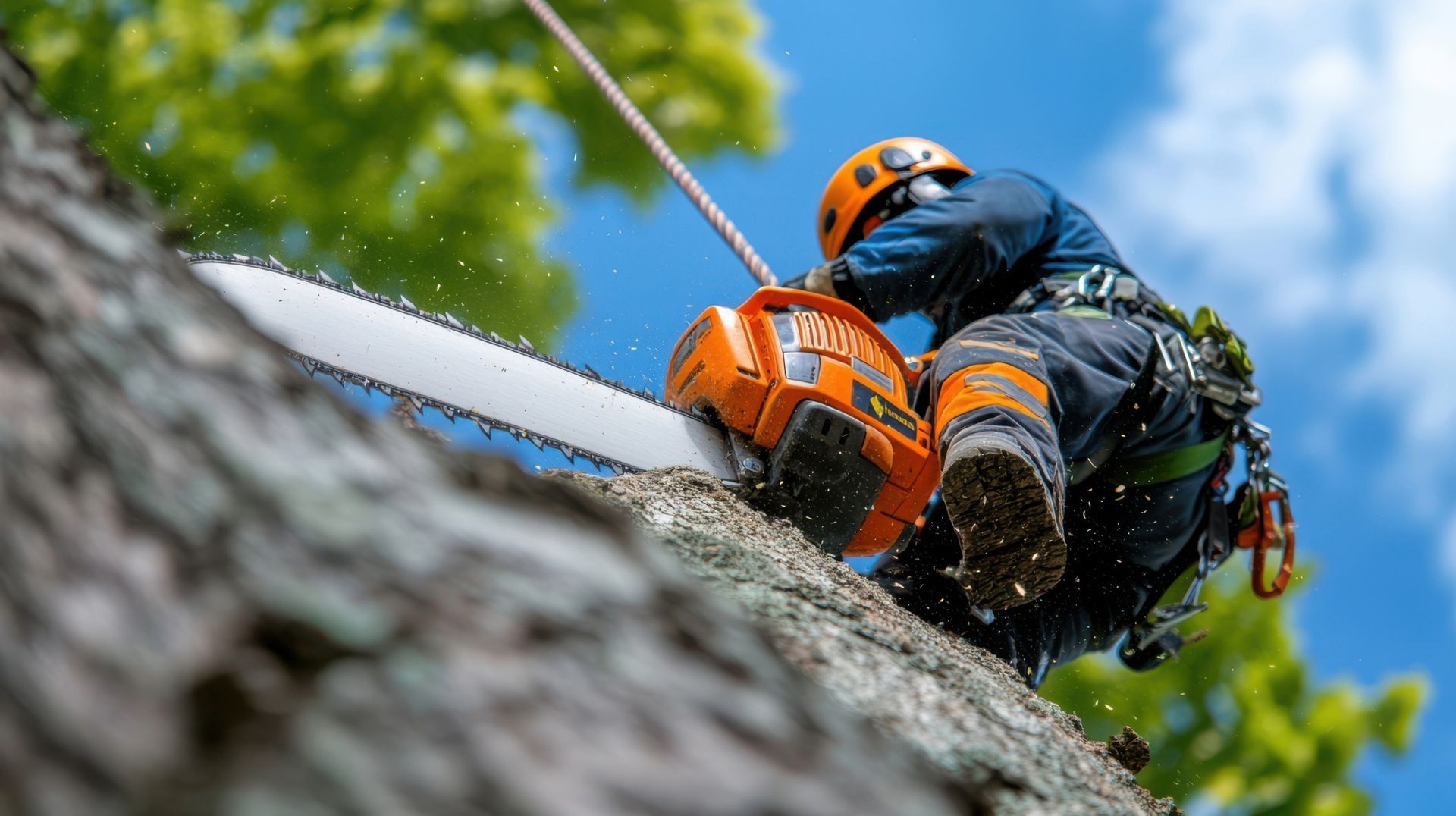
Bob & Ben The Tree Men have been providing professional tree removal, pruning, and assessment services from certified arborists to homeowners across the Sutherland Shire and surrounding areas for over 25 years. We understand what insurers look for when it comes to tree claims, and we can provide detailed invoices and documentation to support your claim after an insured event.
If you have a tree on your property that concerns you or poses a risk to your property's safety, or if a recent storm has left you with damage to assess, get in touch with our team. We will give you an honest assessment of the situation and a clear, upfront quote. Whether you need emergency storm response, routine maintenance, or other tree services to keep your trees safe and your coverage intact, we are here to help.
This blog is intended as general information only. Insurance providers vary significantly in their policy terms. Always read your Product Disclosure Statement carefully for full details and contact your insurer directly to understand the specific terms of your cover.

Over 25 years ago, Bob and Ben planted the seeds of what would become one of the most popular and trusted tree service businesses in the Sutherland Shire.
Get your FREE tree lopping quote today!
Let Bob and Ben The Tree Men get to the root of all your tree problems. Contact us today to receive your personalised quote.